Virgil van Dijk is asking football to slow down and listen
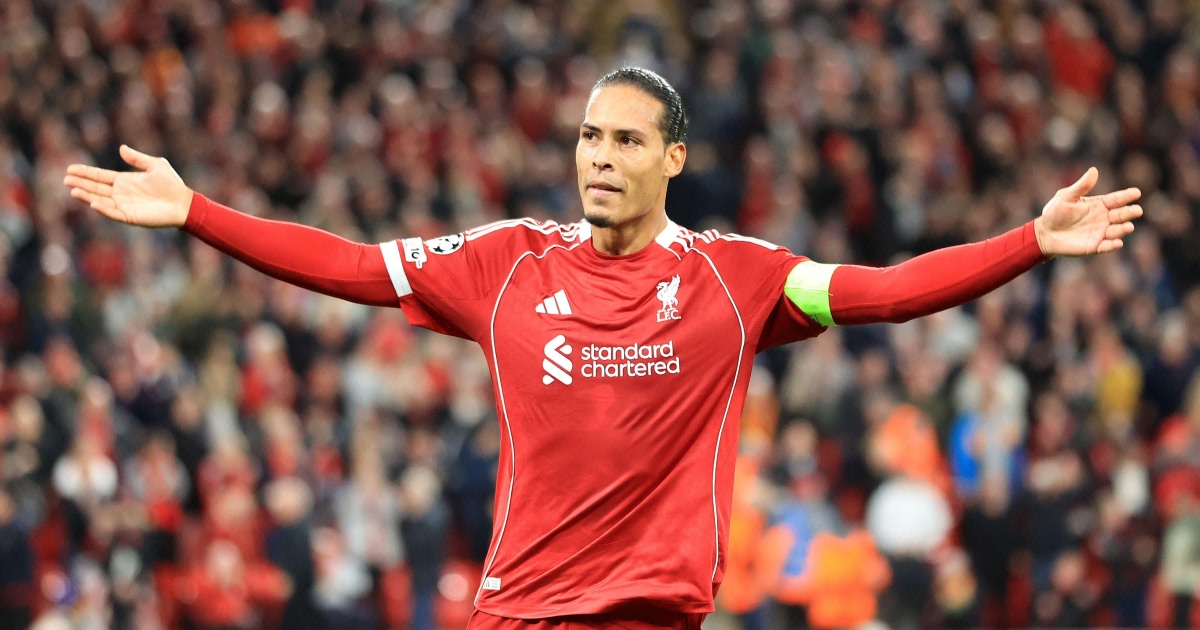
Virgil van Dijk is asking football to slow down and listen
Modern football rarely pauses. Matches arrive quickly, opinions even faster, and judgement often lands before reflection has a chance to breathe. For Virgil van Dijk, that speed is starting to feel uncomfortable. Not because he cannot cope with it, but because many others cannot.
The Liverpool captain has spent long enough at the top of the game to understand scrutiny is unavoidable. What concerns him now is not criticism itself, but the way football’s conversation has shifted. Louder, sharper, and increasingly shaped by reaction rather than responsibility. His message is not about muting debate. It is about thinking before speaking.
When criticism crosses into something else
The Dutch defender has never suggested players should be immune from judgement. Poor performances deserve to be questioned. Standards matter. But there is a line, and in his view, it is crossed more often than people realise.
Commentary, particularly from former players, can slip from observation into provocation. Words are chosen to spark reaction. Headlines are designed to travel. Social media ensures those messages reach players instantly, often without context or balance.
For experienced professionals, that noise can be filtered. For younger players, still finding their footing in the game, it can be overwhelming. Praise and abuse sit side by side on the same screen. One bad afternoon can bring a flood of ridicule that lingers far longer than the final whistle.
The Liverpool captain has spoken about seeing confidence drain from players exposed to relentless criticism. Enjoyment fades. Focus shifts. Performance suffers. Telling young players to stay off social media, he believes, ignores reality. Footballers live in the same digital world as everyone else, and the impact is real.
Leadership beyond the armband
As the Reds’ skipper, his responsibilities stretch well beyond matchday organisation. Leadership, in his view, means protecting the environment around the squad, especially during uncertain periods.
This season has tested that environment. Results have dipped. Performances have lacked rhythm. The transition under Arne Slot has brought inevitable questions. The centre-back has not denied those struggles. He has acknowledged that some criticism of Liverpool’s football has been fair.
What he challenges is the tone. There is a difference between accountability and dismissal. Questioning tactics or results is one thing. Undermining people is another.
From inside the dressing room, he sees progress that does not always translate immediately into points. Liverpool, he insists, are not a club built on knee-jerk reactions. Change takes time, particularly when players are adapting to new demands and patterns. Respect, he argues, should sit alongside scrutiny, especially when a manager is still shaping his ideas.
The mental cost of constant noise
The Premier League calendar leaves little room to reset. Matches every few days. Travel. Recovery. Preparation. Layered on top is the expectation that comes with success.
Being champions brings its own pressure. Opponents raise their level. Mistakes are magnified. Consistency becomes harder to sustain. In that environment, commentary can shape narratives quickly and unforgivingly.
A dropped result becomes a crisis. A tactical tweak becomes uncertainty. For players trying to adjust and improve, that constant judgement can blur perspective.
The 34-year-old has spoken about how football is rarely defined by a single issue. Transitions, decision-making, fatigue, and even luck all play their part across a season. Reducing complex situations to simple accusations might generate clicks, but it does little to reflect reality.
His concern stretches beyond Anfield. Across the league, young players are being pushed into prominent roles earlier than ever. Judged publicly before they have time to grow. In that sense, his comments feel less defensive and more protective, a warning about where the sport could be heading if nothing changes.
Experience shaping a wider view
Approaching the later stages of his career, the centre-back speaks with the clarity of someone who has seen football from every angle. He remains driven, still focused on Champions League nights and competing at the highest level. But there is also a sense of perspective.
This season, he believes, can still become something positive. Liverpool remain alive in major competitions, and confidence has returned in recent performances. Yet optimism comes with a caveat. Progress will require consistency, patience, and trust within the group.
By calling on pundits to recognise their influence, the Liverpool captain is not asking for protection or special treatment. He is asking for awareness. In a game where opinions now travel faster than ever, words carry weight.
Criticism will always be part of football. Debate will never disappear. But if the sport wants its next generation to thrive rather than simply survive, it may need to slow down and listen.